Blu-ray & DVD Release Date: Sept. 29, 2020
Price: Blu-ray/DVD Combo $98.99
Studio: Criterion
Established by Martin Scorsese in 2007, the World Cinema Project has maintained a commitment to preserving and presenting masterpieces from around the globe, with a growing roster of more than three dozen restorations that have introduced moviegoers to often-overlooked areas of cinema history.
Martin Scorsese’s World Cinema Project No. 3 gathers a half-dozen important international works, from Brazil (Pixote), Cuba (Lucía), Indonesia (After the Curfew), Iran (Downpour), Mauritania (Soleil Ô), and Mexico (Dos monjes).
Each title is a pathbreaking contribution to the art form and a window onto a filmmaking tradition that international audiences previously had limited opportunities to experience.
Here’s a detailed list of the films, following by a breakdown of the bonus features:
Lucía (1968)
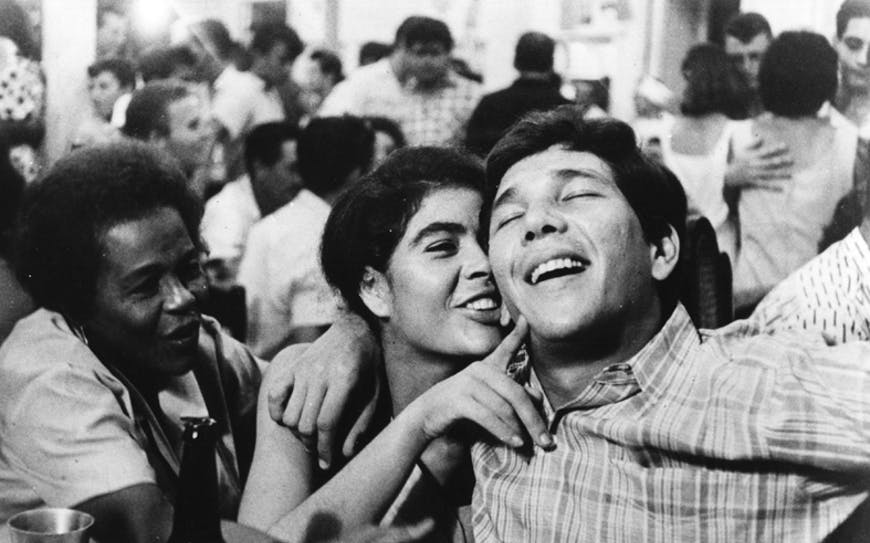
Lucia (1968)
A breathtaking vision of Cuban revolutionary history wrought with white-hot intensity by Humberto Solás, this operatic epic tells the story of a changing country through the eyes of three women, each named Lucía, from the years 1895, 1932 and finally, the pre-revolutionary 1960s. A formally dazzling landmark of postcolonial cinema, Lucía is both a senses-stunning visual experience and a fiercely feminist portrait of a society journeying toward liberation.
After the Curfew (1954)
This work by the trailblazing auteur Usmar examines the struggles of Indonesian society after the country gained its independence from the Netherlands. Giving voice to the frustrated dreams of a nation, After the Curfew follows the descent into disillusionment of Iskandar (A. N. Alcaff), a former freedom fighter who is unable to readjust to civilian life following the revolution that ended centuries of colonial rule. Steeped in the moody atmospherics and simmering psychological tension of film noir, this clear-eyed postcolonial tragedy paints a dark-edged portrait of a country no longer at war but still fighting for its soul.
Pixote (1981)
With its bracing blend of harsh realism and aching humanity, Héctor Babenco offers an electrifying look at lost youth fighting to survive on the bottom rung of Brazilian society that helped put the country’s cinema on the international map. Shot with documentary-like immediacy on the streets of São Paulo and Rio de Janeiro, Pixote follows the eponymous preteen runaway (the heartbreaking Fernando Ramos da Silva) as he escapes a nightmarish juvenile detention center, only to descend into a life of increasingly violent crime even as he finds himself part of a makeshift family of fellow outcasts.
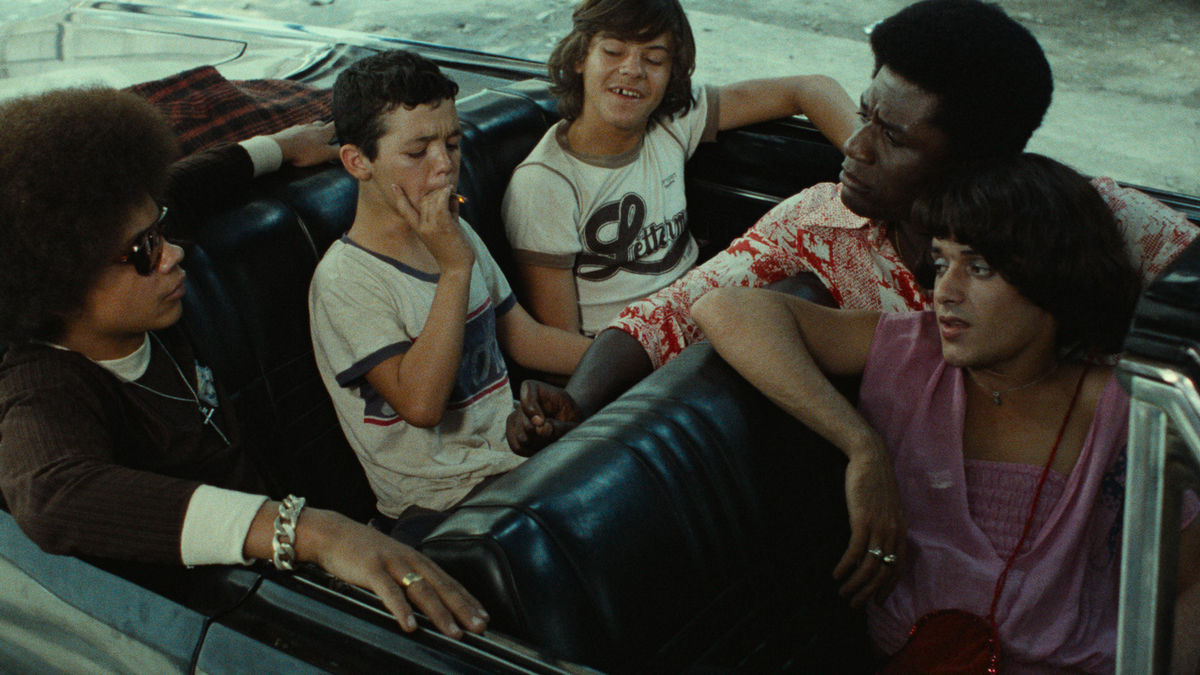
Pixote (1981)
Dos Monjes (1934)
Made in the early days of Mexican sound cinema, this vividly stylized melodrama hinges on an audacious, ahead-of-its-time flashback structure. When the ailing monk Javier recognizes a brother newly arrived at his cloister, he inexplicably becomes deranged and attacks him. What causes his madness? Director Juan Bustillo Oro recounts the two men’s shared past—a tragic rivalry over the love of a woman—twice, once from the point of view of each, heightening the contrasts between their accounts with visual flourishes drawn from the language of German expressionism.
Soleil Ô (1970)
A furious cry of resistance against racist oppression, the debut from Mauritanian director Med Hondo is a bitterly funny, stylistically explosive attack on Western capitalism and the lingering legacy of colonialism. Soleil Ô follows a starry-eyed immigrant (Robert Liensol) as he leaves West Africa and journeys to Paris in search of a job, a community, and intellectual engagement—but soon discovers a hostile society where his very presence engenders fear and resentment. Drawing on the freewheeling experimentation of the French New Wave, Hondo deploys a dizzying array of narrative and stylistic techniques to create a revolutionary landmark of political cinema and a shattering vision of awakening black consciousness.
Downpour (1972)
Defined by a brash stylistic exuberance and a vivid way of looking at everyday life in pre-revolution Iran, this first feature from the renowned Bahram Beyzaie helped usher in the Iranian New Wave. When he takes a job as a schoolteacher in a new neighborhood, the hapless intellectual Hekmati (Parviz Fannizadeh) finds that he is a fish out of water in a place where everybody’s business
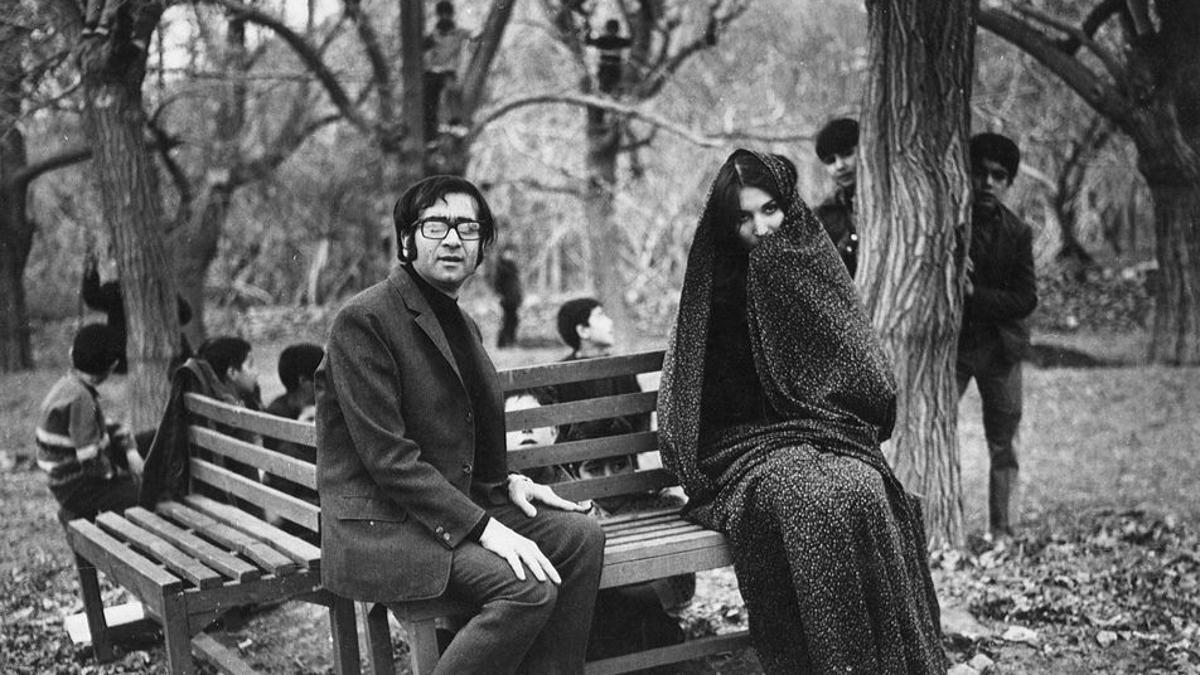
Downpour (1972)
is subject to the prying eyes of adults and children alike. Shot in luminous monochrome and edited with quicksilver invention, this touchstone work captures with puckish humor and great human tenderness the societal and intellectual conflicts coursing through Iran at a pivotal historical moment.
Okay, now here’re the supplements:
- New, restored 4K digital transfers of all six films, overseen by the World Cinema Project in collaboration with the Cineteca di Bologna, with uncompressed monaural soundtracks on the Blu-rays
• New introductions to the films by World Cinema Project founder Martin Scorsese
• New interviews featuring Downpourdirector Bahram Beyzaie and film scholars Charles Ramírez Berg (on Dos monjes) and J. B. Kristanto (on After the Curfew)
• Excerpts from a 2016 interview with Pixotedirector Héctor Babenco and a 2018 interview with Soleil Ô director Med Hondo
• Humberto & “Lucía,” a 2020 documentary by Carlos Barba Salva featuring Lucía director Humberto Solás and members of his cast and crew
• Prologue created by Babenco for the U.S. release of Pixote
• New English subtitle translations
• A booklet featuring a foreword by Cecilia Cenciarelli, head of research and international projects for the Cineteca di Bologna, and essays by critics and scholars Stephanie Dennison, Dennis Lim, Elisa Lozano, Hamid Naficy, Adrian Jonathan Pasaribu, and Aboubakar Sanogo
|
Buy Martin Scorsese’s World Cinema Project No. 3
|
|---|

Leave a Reply